
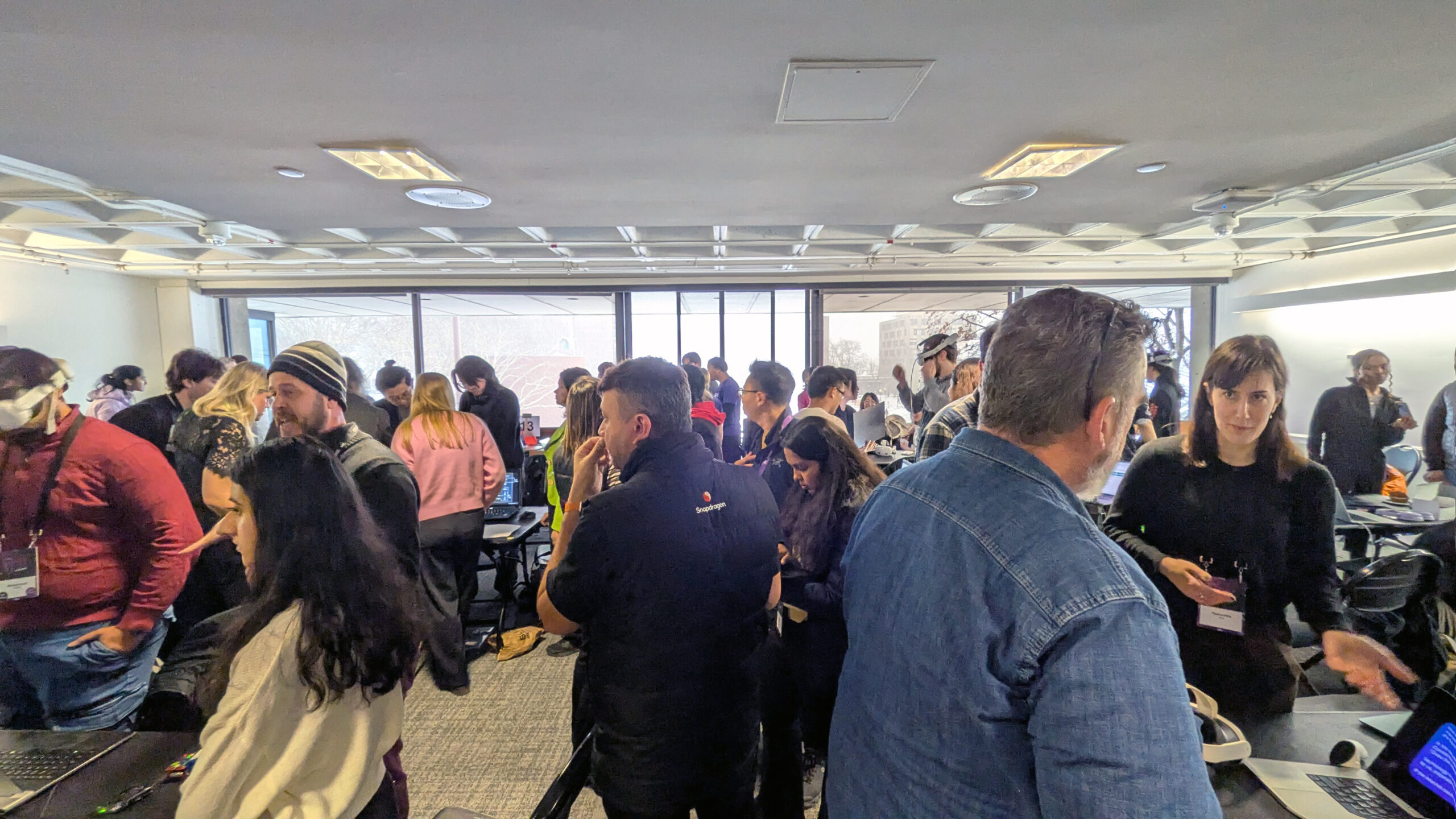
This past January, a group of Ringling College students and faculty packed their bags and headed to Cambridge, Massachusetts, to compete in MIT Reality Hack—one of the most prestigious experiential technology hackathons in the world. What happened next? They held their own against teams from MIT, Stanford, Berkeley, Carnegie Mellon, and USC—and one student came home with an award.
What is MIT Reality Hack?
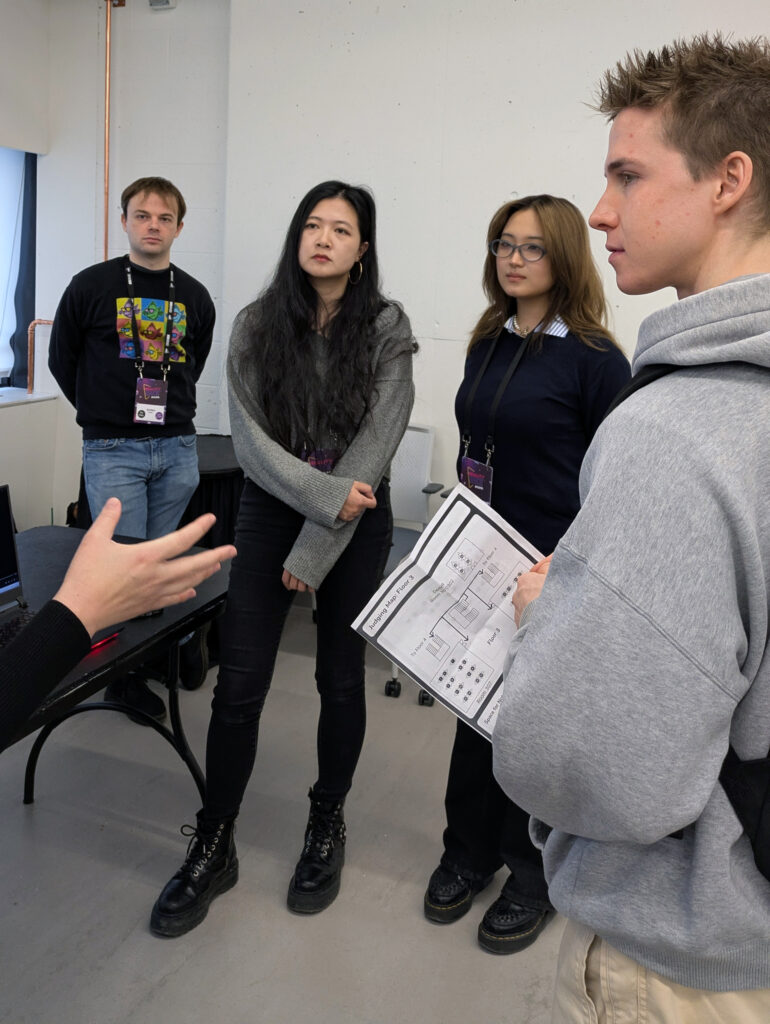
MIT Reality Hack is an international XR (extended reality) hackathon held on MIT’s campus that brings together students, engineers, designers, researchers, musicians, and artists to build immersive experiences from scratch in under 72 hours. Teams form largely through networking, which means participants have to walk into a room full of strangers and figure out how to build something meaningful together—fast.
This year’s event ran January 22–26, 2026, but Mother Nature had other plans: Winter Storm Fern forced the closing ceremony to go virtual. Despite the disruption, Ringling’s crew didn’t skip a beat.
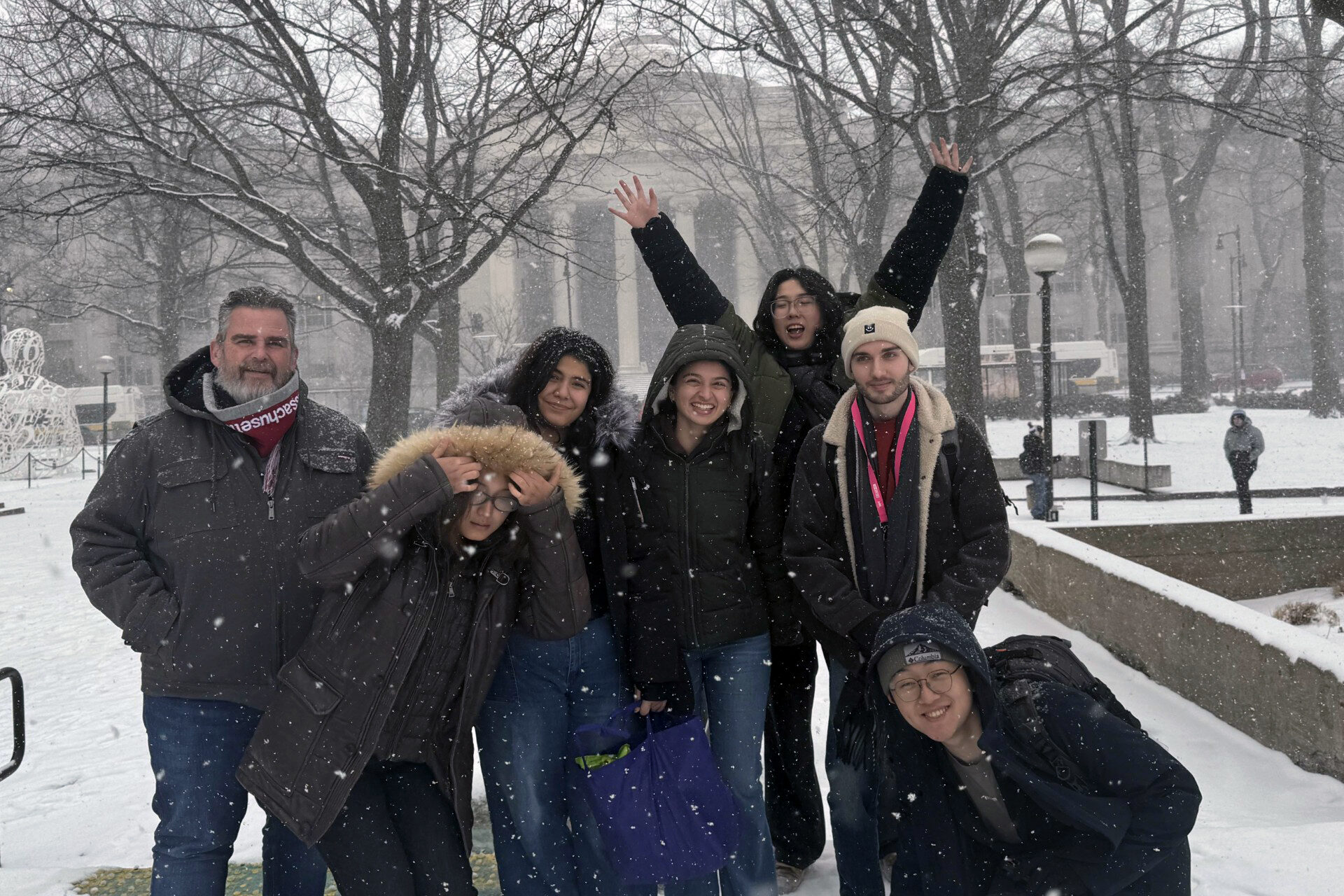
The Ringling Crew
Seven members of the college made the trip:
- Martin Murphy — VRD department head, attending as a judge
- Justin Gast — VRD faculty, attending as a mentor
- Vida Villanueva — 4th year VRD Student, Reality Hack Scholar
- Hyesoo Koh — 4th year VRD Student
- Linda He — 4th year VRD Student
- Jimmy Tong — 4th Year VRD Student
- Natasha Patel — 3rd Year VRD Student
Junior Ang Barilla, a VRD Tech Tutor, also made the trip as a volunteer.
The students’ attendance was made possible through the generosity of Drs. Joel and Gail Morganroth, whose financial support ensured that cost wasn’t a barrier to participation.
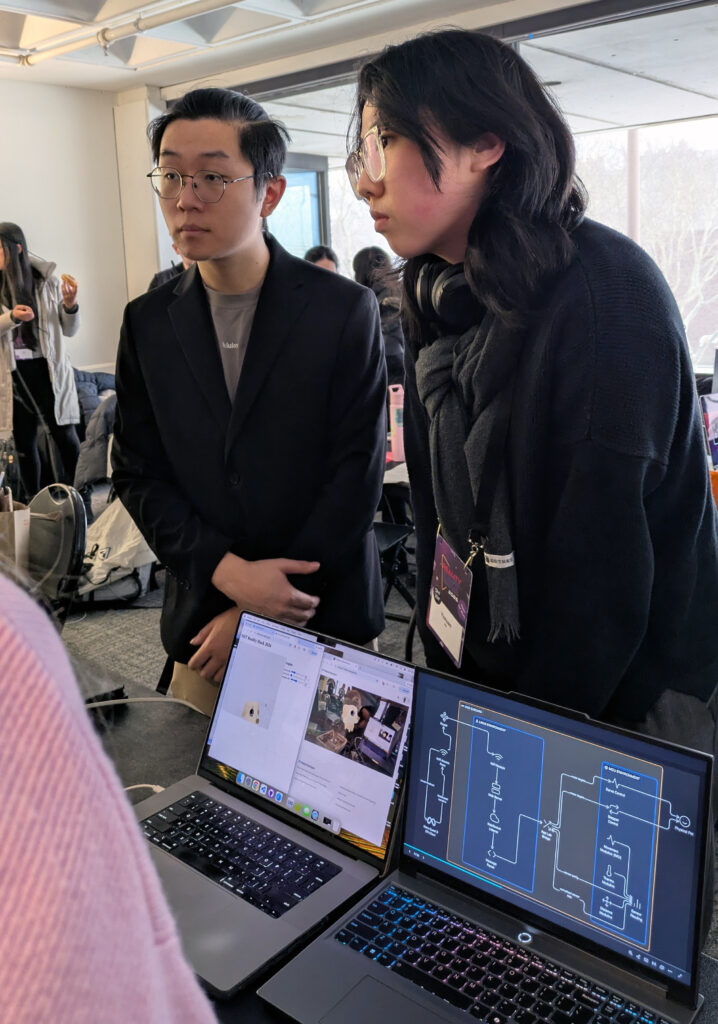
The Projects
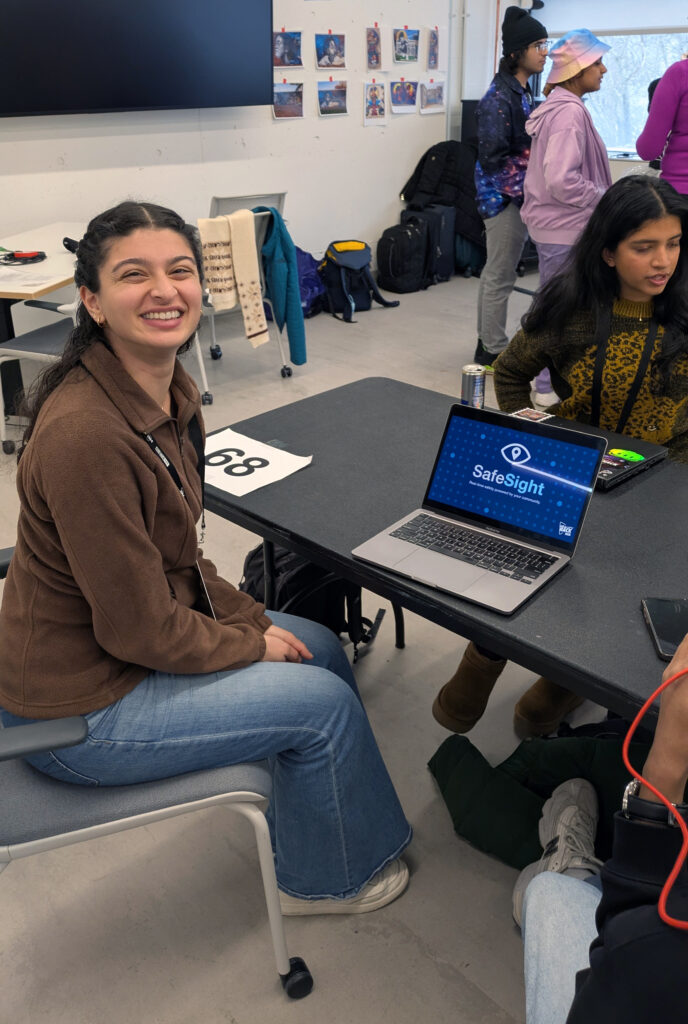
The Ringling students went in different directions with their hacks. Their projects ranged from a personal AI companion called Power Pet to apps exploring social issues, called SafeSight and Sunbeam.
But it was JazzCasters that took home hardware.
JazzCasters—a music-driven, hand-tracking XR experience built in Unity for Meta Quest 3—earned the Meta sponsor track award for Best Implementation of Hand Tracking on Meta Quest.
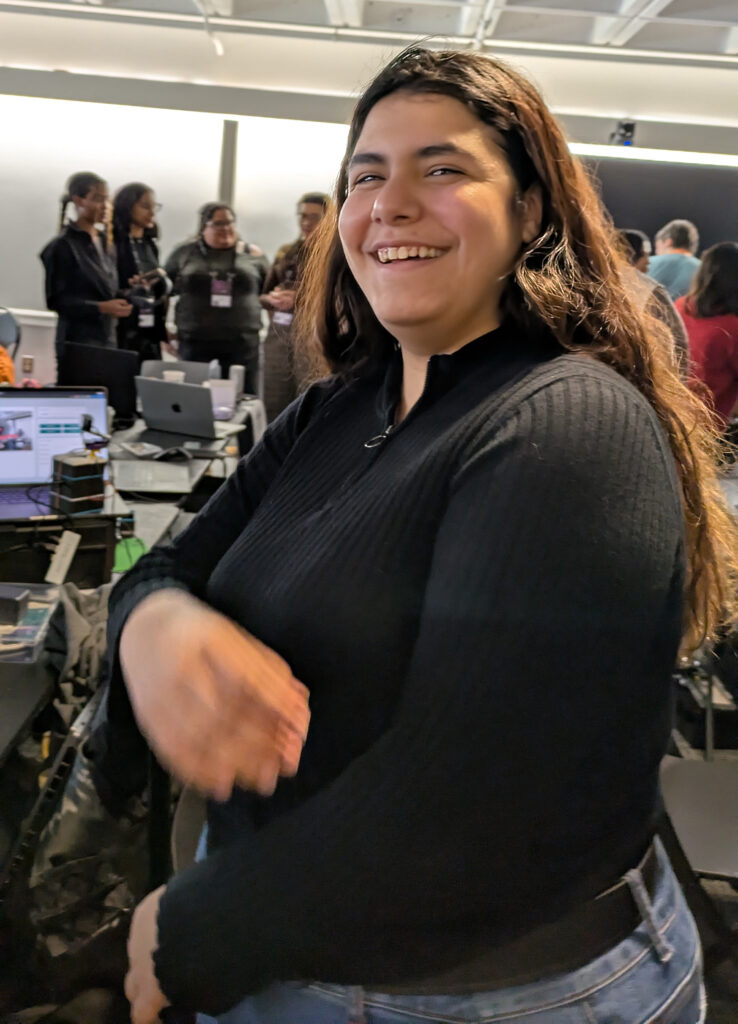
Vida Villanueva ’26, Virtual Reality Development, served as the project’s lead artist, creating 3D assets, visuals, and UI. Her interdisciplinary team included a software engineer, project manager, audio specialist, and hardware engineer—a collaboration she described as one of the most meaningful parts of the whole experience.
“What stood out most to me was the diversity of skill sets and perspectives within my team and across the hackathon as a whole,” Villanueva said. “Our team included people with backgrounds I wouldn’t normally have the chance to collaborate with in a classroom setting, and that variety made the project stronger.”
Villanueva attended as a Reality Hack Scholar, a program designed to expand access and lower financial barriers for participants from diverse backgrounds. As President of Ringling’s VR Club, she also made it a point to actively recruit other students to apply.
“While the award was exciting, it really felt like a celebration of teamwork, interdisciplinary collaboration, and the environment MIT Reality Hack creates to support experimentation and inclusion,” she said.
For the faculty who made the trip, the experience was just as validating.
Virtual Reality Development faculty member Justin Gast called it “an incredible experience,” noting that the opportunity to network with so many like-minded professionals was “inspirational and a joy.” He was also struck by how differently each student approached the challenge—a sign of genuine creative range.
Game Art and Virtual Reality Development Department Head Marty Murphy described what the weekend meant for the program as a whole.
“MIT Reality Hack was a powerful confidence check for me as a department head and a clear signal that we have arrived as an experiential technology major,” Murphy said. “Even amid the challenges of Winter Storm Fern, our students held their own alongside teams from MIT, Stanford, Berkeley, Carnegie Mellon, and USC, often as the only designers in the room.”
He added: “They engaged confidently, brought a strong design perspective into highly technical conversations, and ultimately proved they can compete and win at the highest level.”
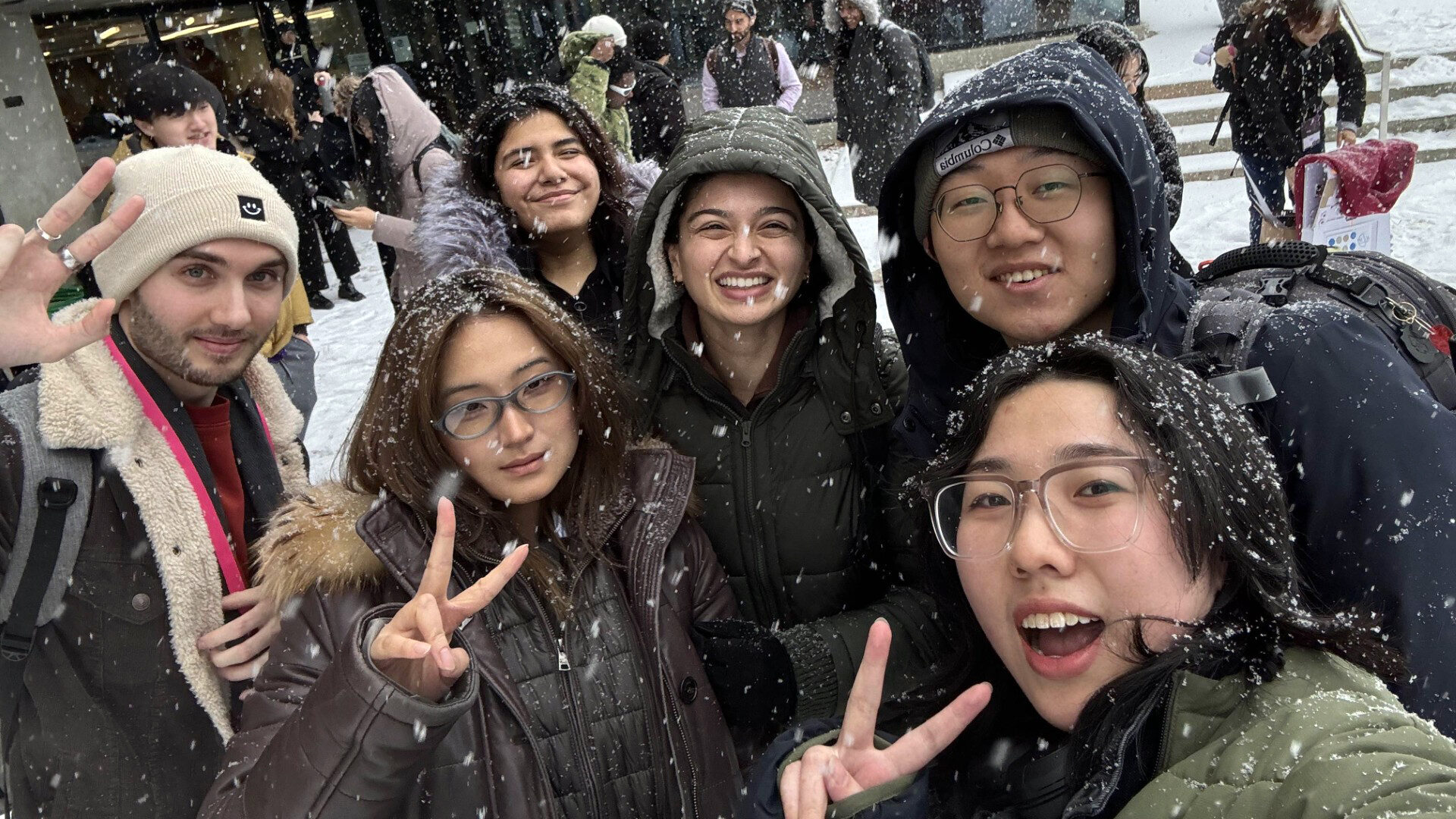
Ringling students showed up, showed out, and showed the broader XR world that great design thinking belongs at every table—including the most competitive ones.
As Villanueva put it: “MIT Reality Hack was not just about building a project—it was about learning from others, forming lasting connections, and seeing how communities like Ringling’s fit into the broader XR ecosystem.”
Sign up for our newsletter to get the latest Ringling College news in your inbox. Contact:
Office of Marketing and Communications
communications@ringling.edu
941-309-4008