

By Elie Harmon ’26, Visual Studies
In ‘Camera Lucida,’ French philosopher Roland Barthes discusses the transformative nature of photography after losing his mother. After spending time looking through photographs from his childhood, he argues that a photograph is not a memory, but rather “becomes a counter-memory.”
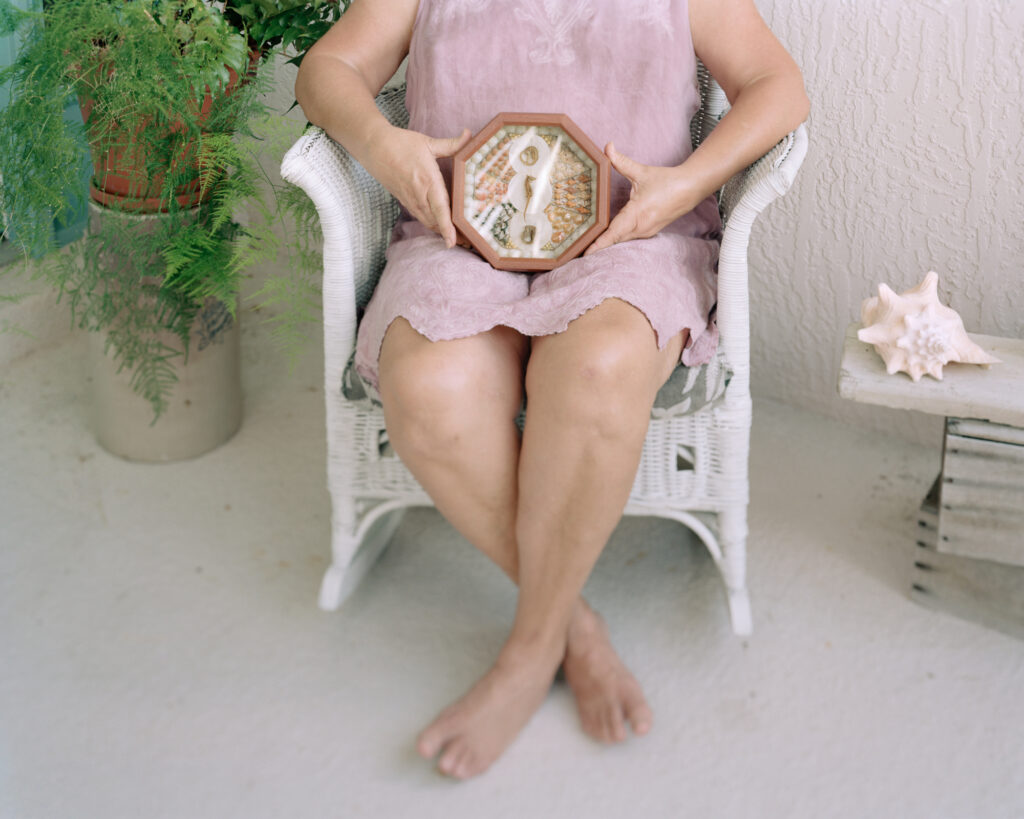
The idea that photography can shape memory guided Ringling Fine Arts faculty member Noelle McCleaf after her mother’s death. She found herself thumbing through archived photographs from their 15 years of artistic collaboration and began to ask herself questions about her own body of work. “What was I thinking when I made that picture? And why does that meaning change so much?”
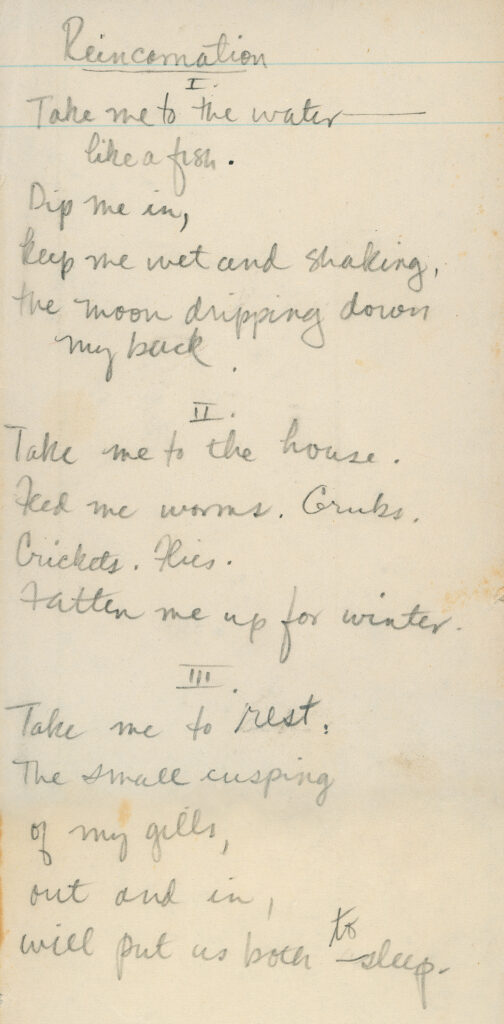
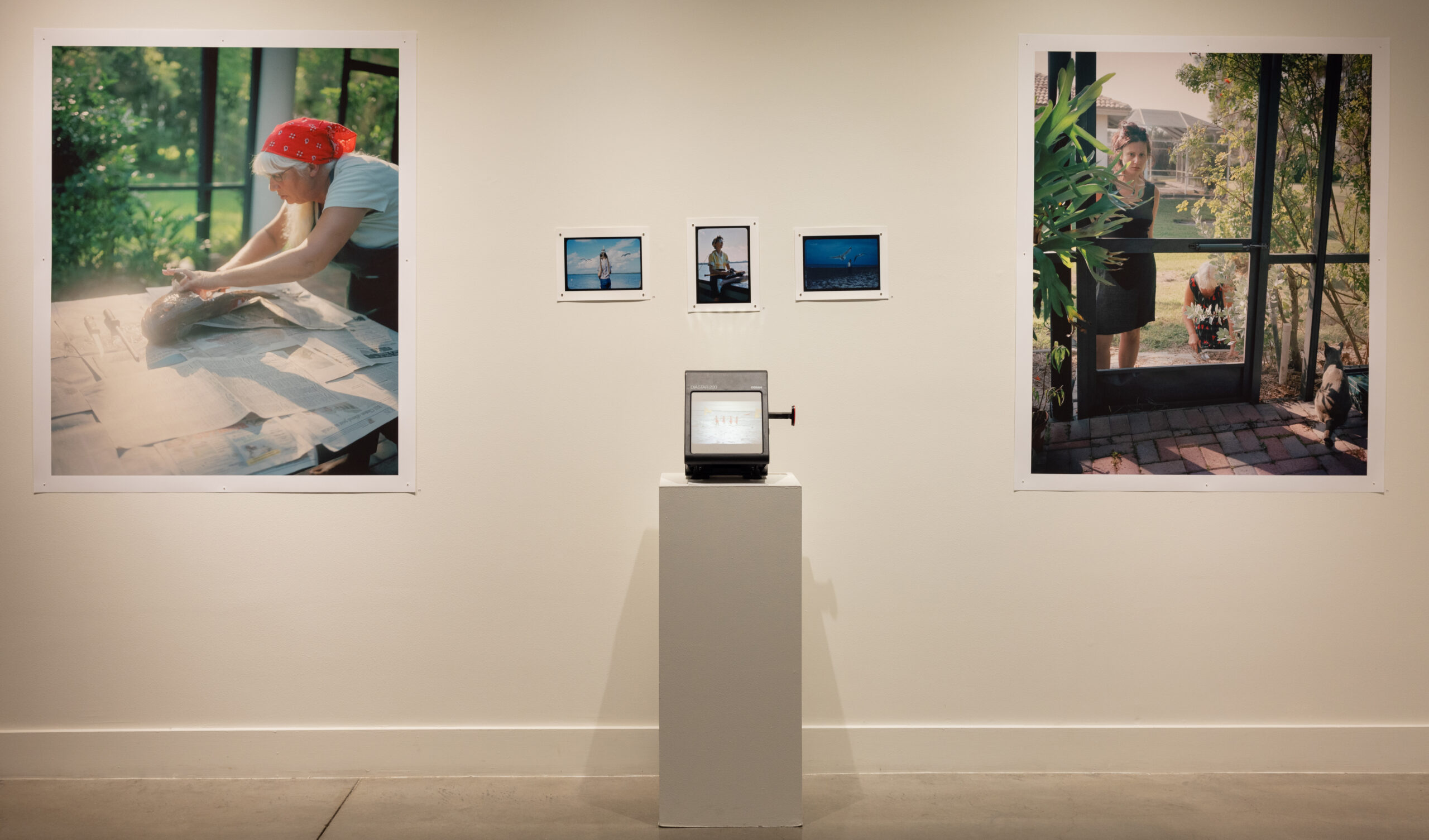
While going through the archives, McCleaf found a poem written by her mother, Evelyn—an “earthly meditation on her transcendental reincarnation into a fish.” That poem became the centerpiece of McCleaf’s recent exhibition, Like a Fish, which was on view at the Crossley Gallery throughout the month of September 2026. The exhibition consisted of a collection of photographs, poetry, and family memorabilia curated by McCleaf.
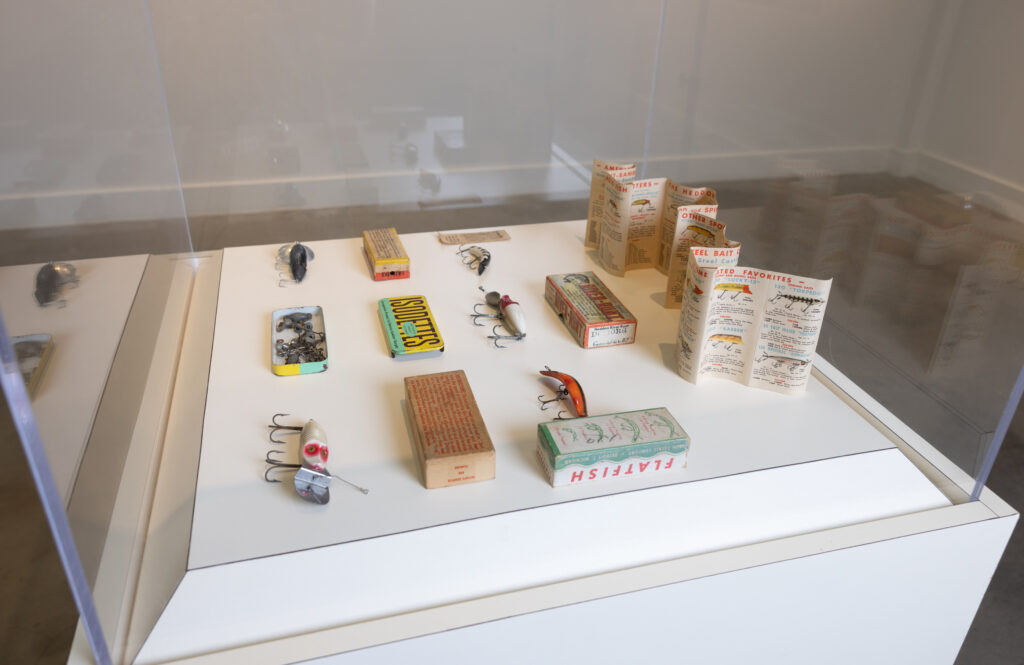
In curating Like a Fish, McCleaf brought together never-before-seen photographs and images from previous projects she collaborated on with her mother, such as Mother Mirror (2009-2024) and A Bee in Her Bonnet (2010-2014), along with ephemera and photographs from her family archives. The mother-daughter relationship runs through her body of work. But this exhibition took the theme of mothers and daughters a step further by including photographs dating back to the 1950s of her mother and grandmother. The pictures show glimpses of a family history called to the sea—family photos featuring generations of fisherwomen, vintage portraits adorned with seashells, and her mother as a child and young adult at the beach.
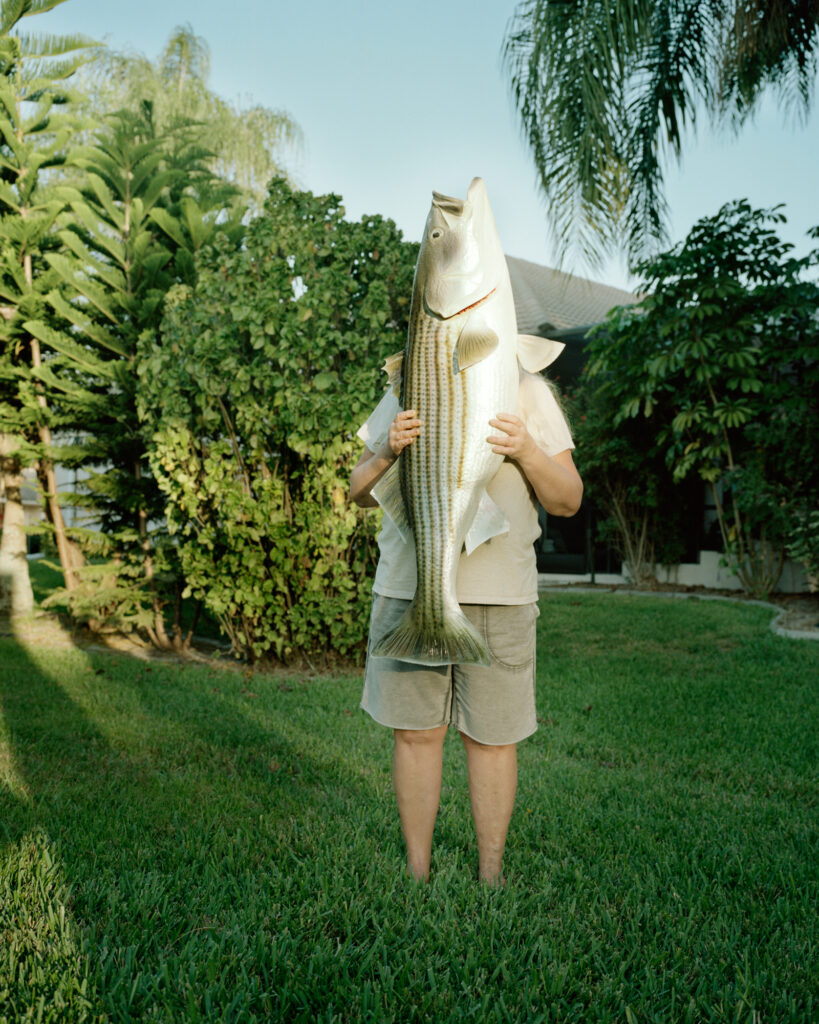
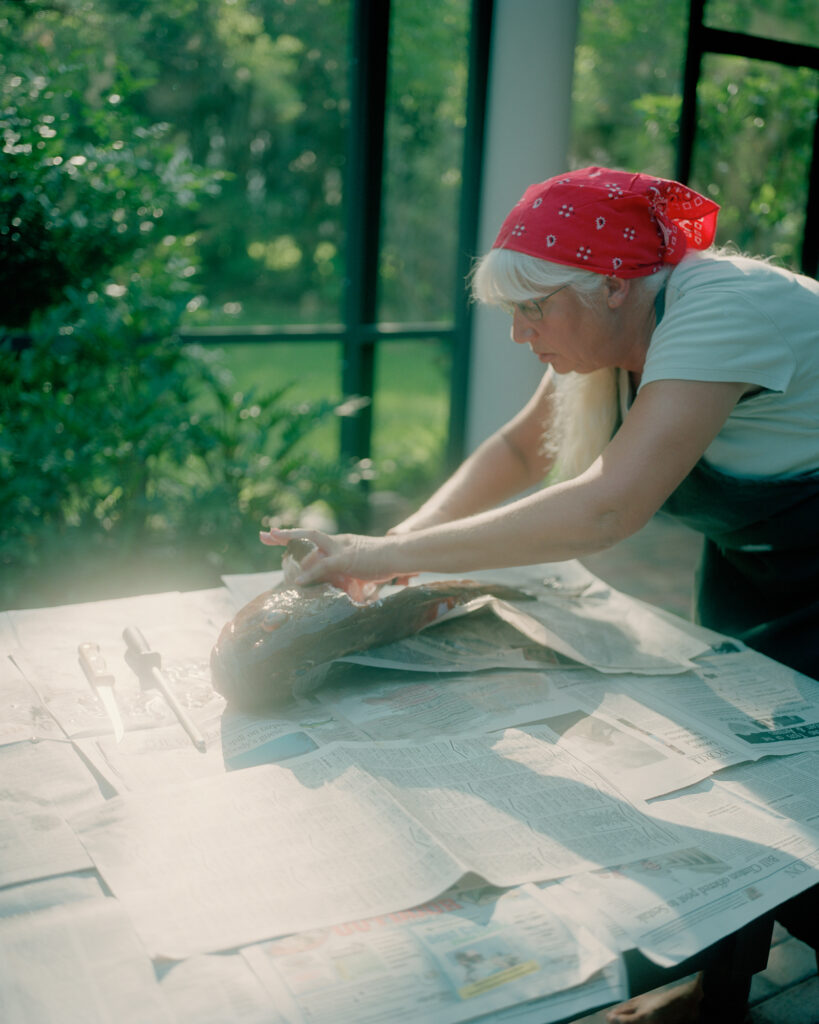
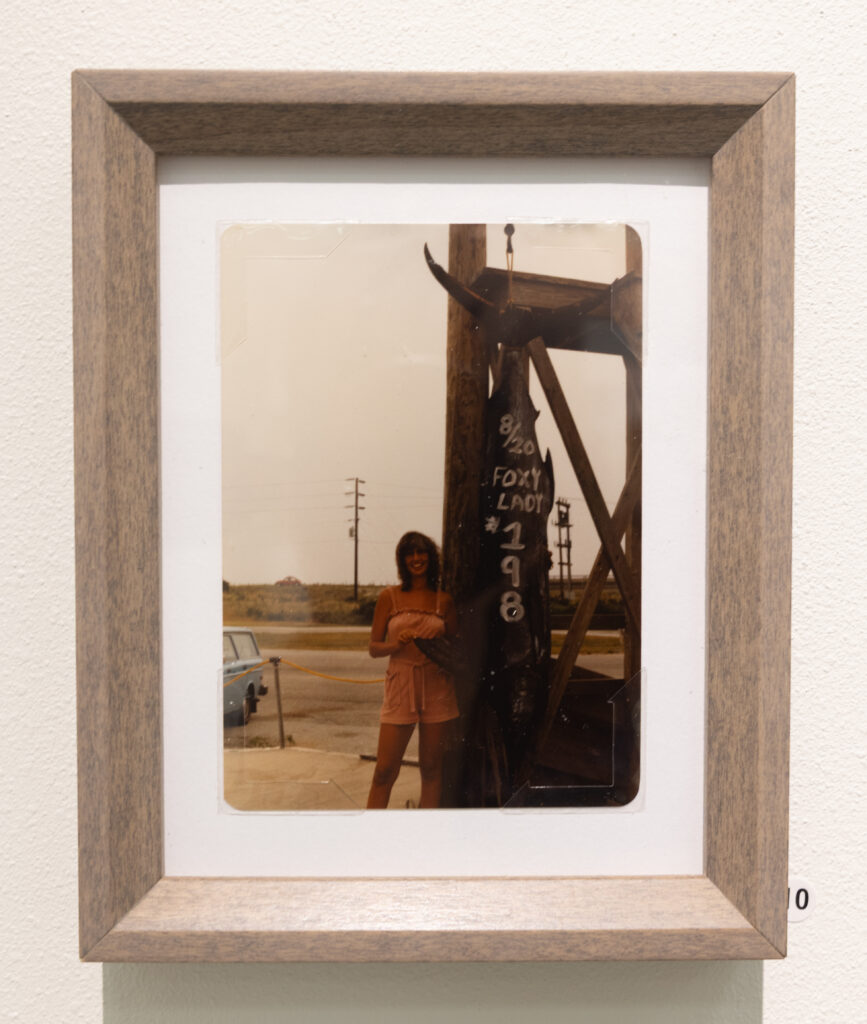
The exhibition painted a picture of a woman with a deep appreciation for the natural world, especially fish. Fish appear throughout her life: as a child still learning to catch them, and in elder years, masterfully preparing and gutting them, as if she has done it thousands of times. In one photograph, Fisherwoman (Mom with Rock Bass) (2017), McCleaf’s mother holds up a bass that obscures her face entirely.
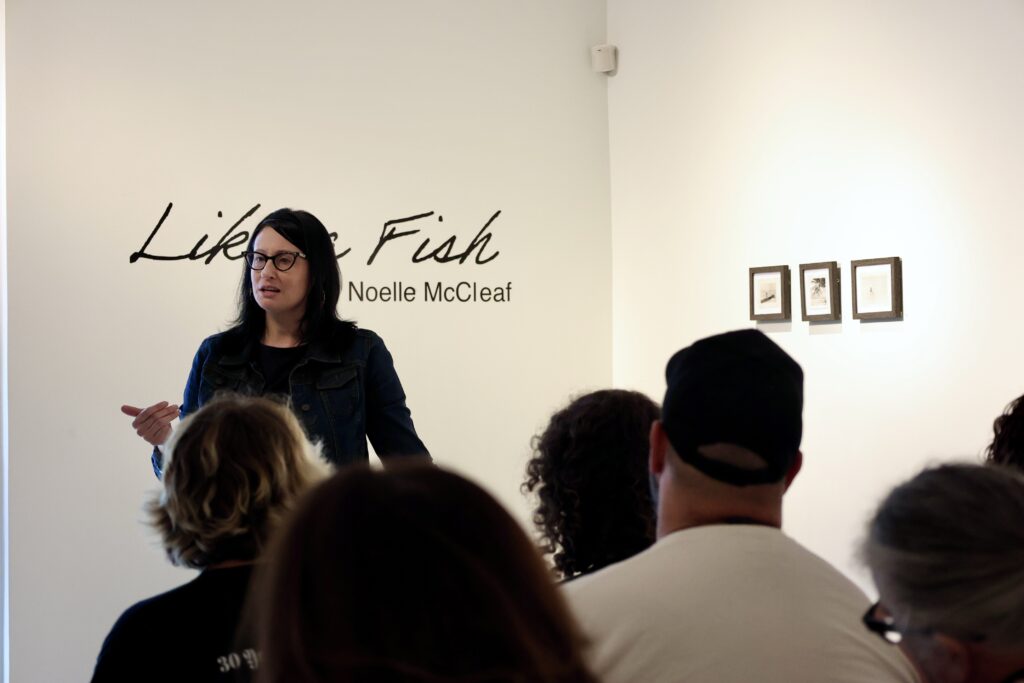
In the recurring motif of fish, there is an eerie sense of predestination with the poem in mind. Each piece seems as if it could have been planned before the poem was even discovered, despite being taken years apart, when viewed through the lens of death and reincarnation. “It’s very strange looking at photos after someone has passed,” Noelle shared at a talk about the exhibition that she gave on September 15. “It’s like the photo becomes a memento mori.”
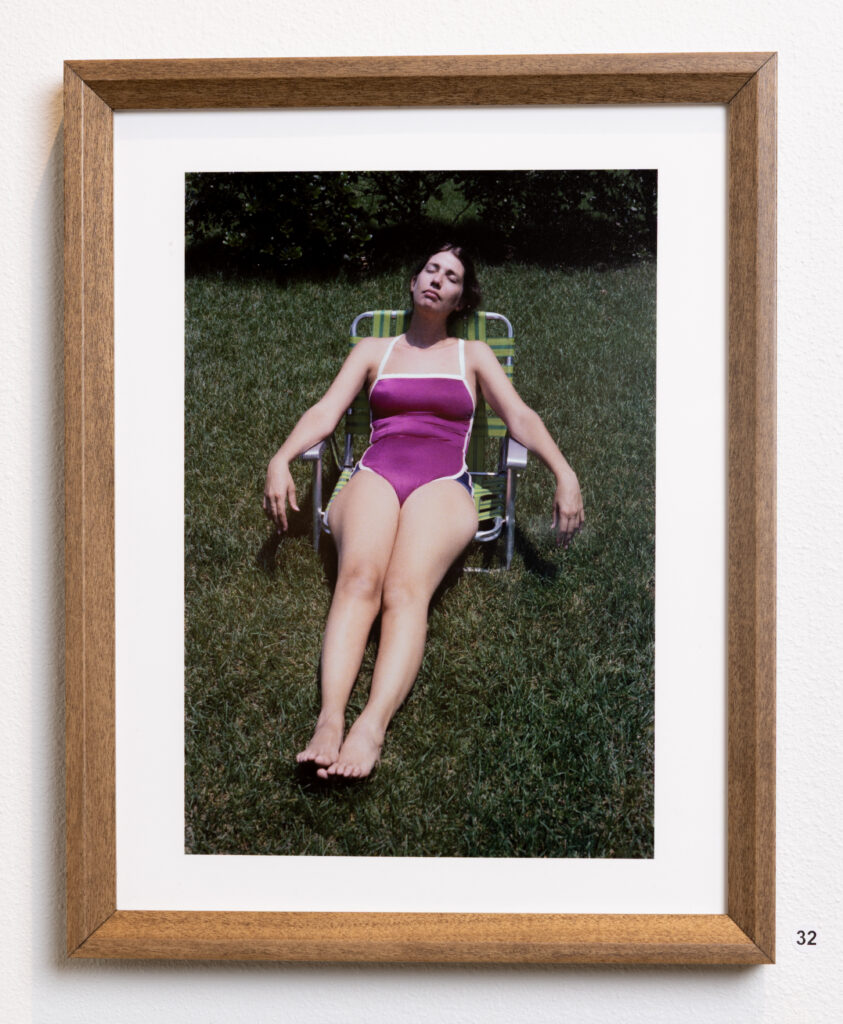
For a medium that acts as a preservation of reality, photographs are never truly static. Pictures may stay the same, but the narrative of a photograph changes with time and with death, and in turn the memories associated with those photographs are also transformed. To accept that memories are not a snapshot sealed in time is bittersweet, as something precious is lost but new meaning is gained.