

By Elie Harmon ’26, Visual Studies
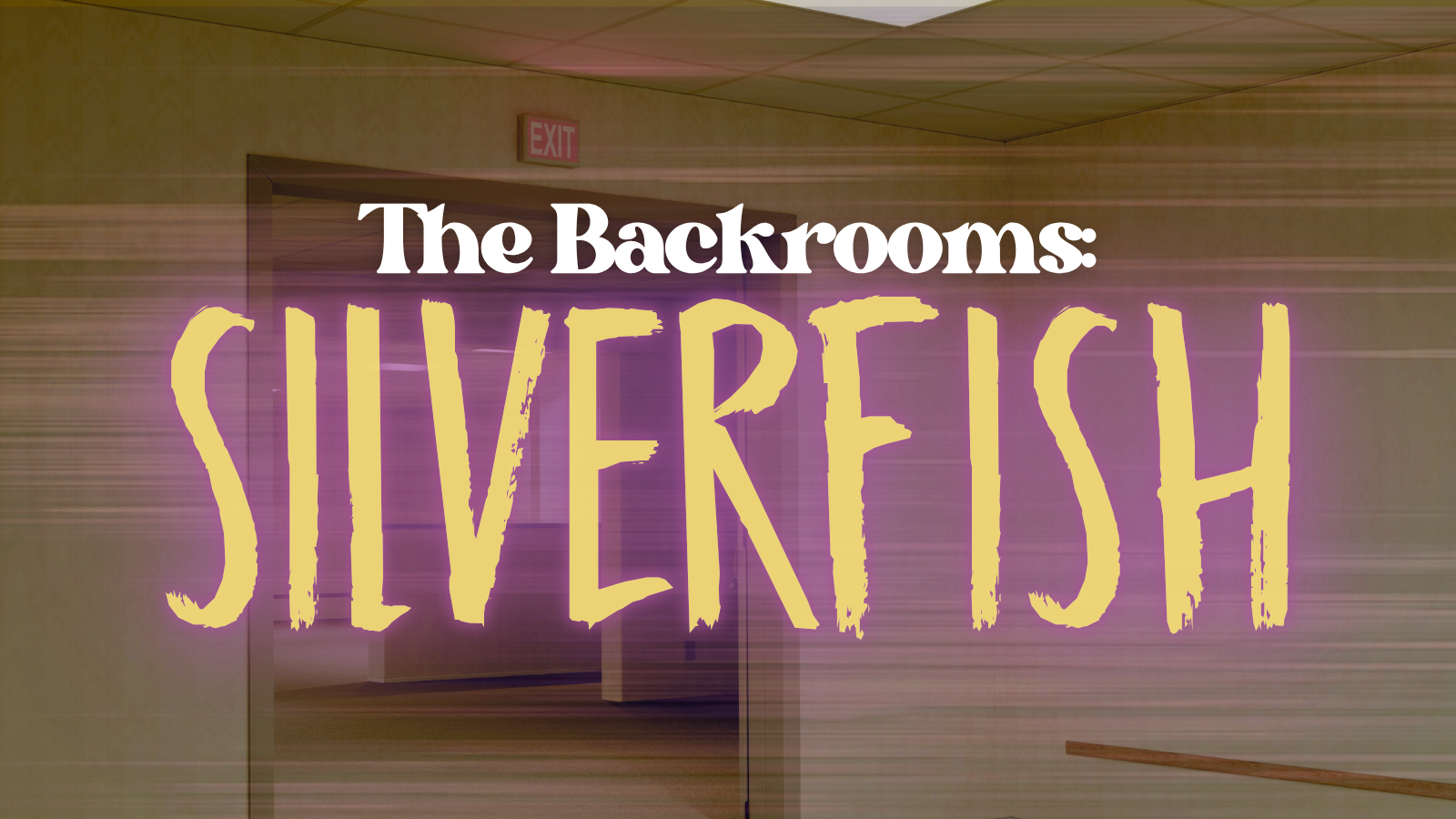
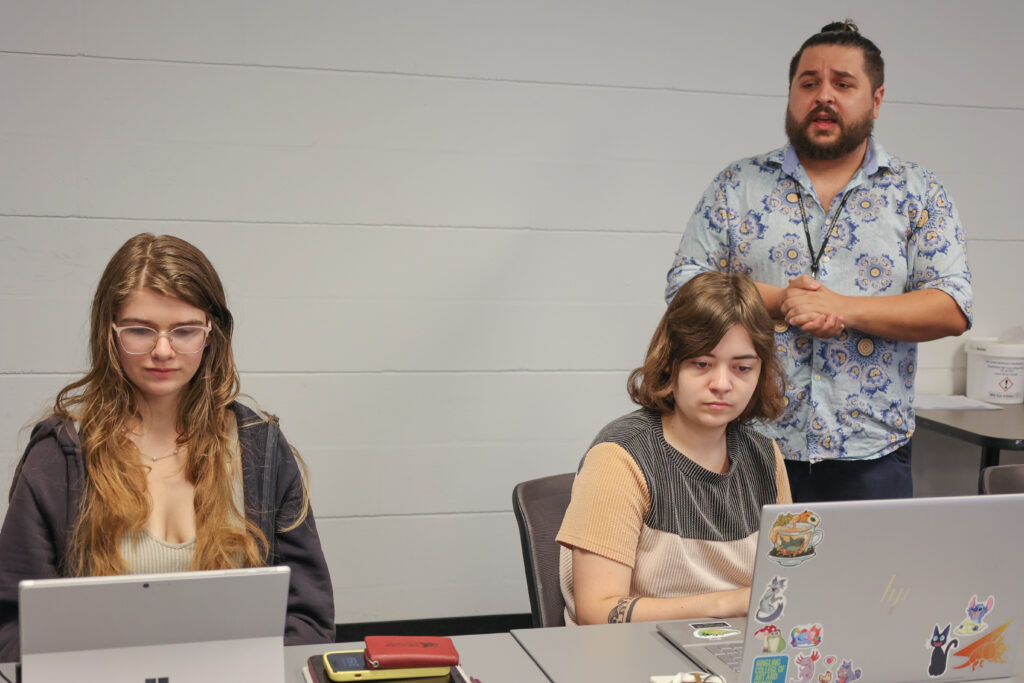
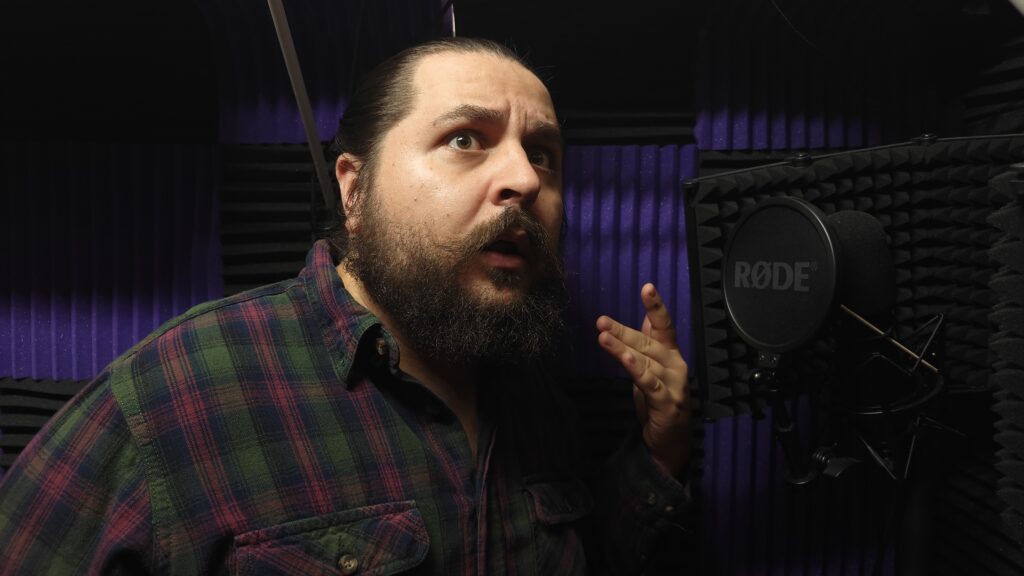
In the Spring 2025 Semester, Ringling College introduced a brand new class called “Audio Storytelling and Podcasting,” taught by Ringling College Liberal Arts faculty member Kevin Cooley. He had been developing his original audio drama The Backrooms: Silverfish, since 2022, and saw the class as an opportunity to share how audio dramas can be used effectively by independent storytellers. Now, four years in the making, Silverfish launches as part of the Bloody FM podcast network and will premiere daily episodes for the remainder of this week.
Those unfamiliar might have still heard the name “Backrooms” from the hit film directed by Kane Parsons that hit theaters this past May. But that film is just one of an ever-growing number of independent creative works based on a loose fictional setting called Backrooms, part of a wider emerging phenomenon of Internet collaborative fiction—fiction without a defined author, instead developed through contributions across the Internet.
First conceived from a photograph posted online in 2019 depicting an eerie, empty hall with stained yellow wallpaper and rows of fluorescent lights, an online community based around this liminal setting has since formed. People were fascinated by the uncanniness of the original image, the sense that the place was both familiar and unfamiliar, safe and unsafe.
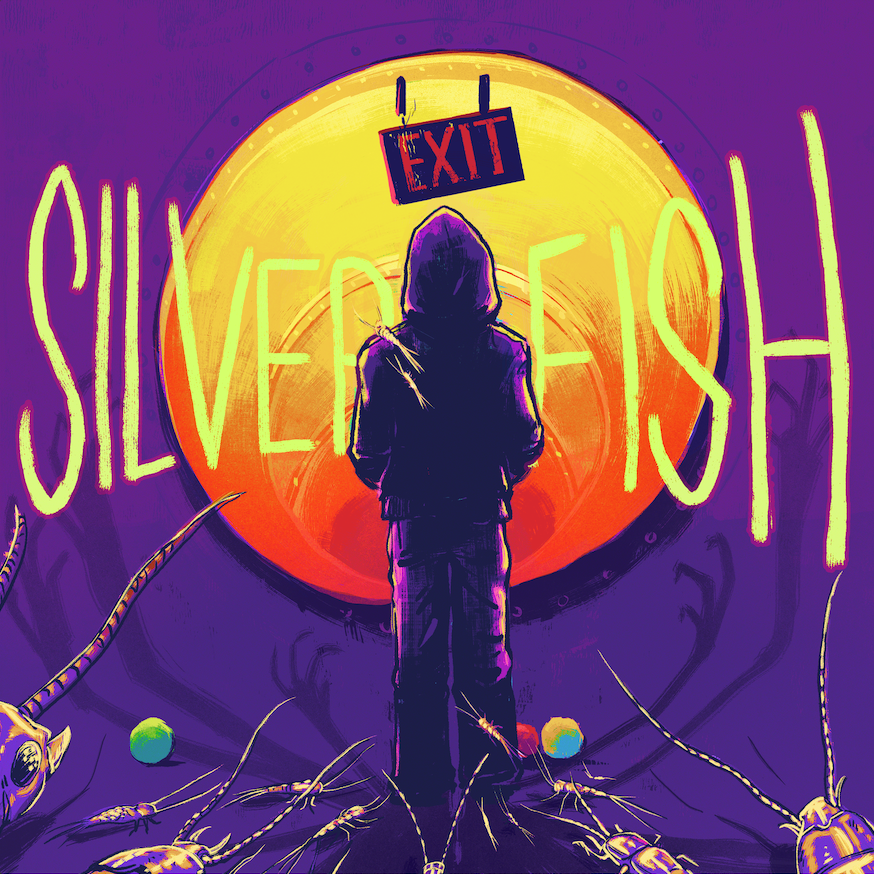
What inspired The Backrooms: Silverfish was the idea of a character-driven long-form Backrooms story; one that focuses not on escapism, but on people in isolation, grappling with the abject horror of literally losing themselves.
“Some folks say you could pick every blade of grass every human has ever walked on in the time it would take to walk across a single pixel on a map of the Backrooms,” the official description explains. “Unfortunately for Remmy Higgins—a defeated art school dropout working a dead-end job at a lousy pizzeria—‘some folks’ are correct.”
The key to this character-driven narrative was choosing a non-visual medium, using “sustained dialogue, sound, and the ‘theater of the mind’ to weave together a very different Backrooms in the mind of its audiences,” Cooley explains. Using a podcast to tell a story about isolation did come with challenges, as the medium demands dialogue. But Cooley found that embracing the limitations of the medium helped shape the foundation of the narrative. “To my mind, that’s always the key in audio drama: taking what seems to be a limitation, and embracing it with your writing.”
New episodes will premiere every day for the remaining week of October 13-18. From that point on, episodes will premiere every other week starting October 27. Listen to the first episode now on Spotify, Apple, Amazon, iHeart, and Podcast Addict.