
By Camila Ayala ’27, Graphic Design
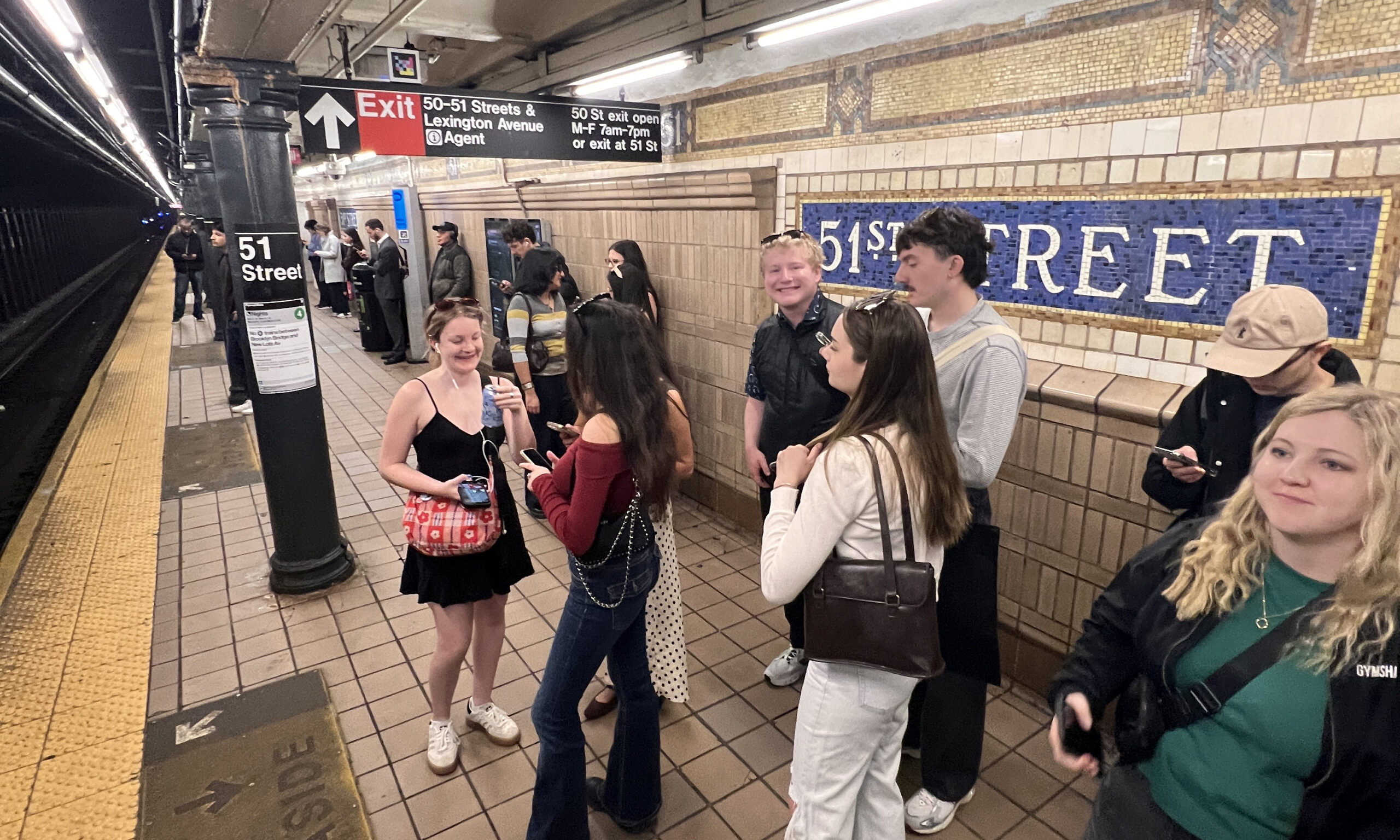
What does the professional design world actually look like? This spring break, 12 Graphic Design students from Ringling College of Art and Design traveled to New York City to learn firsthand by visiting major in-house design teams and independent studios across the city.
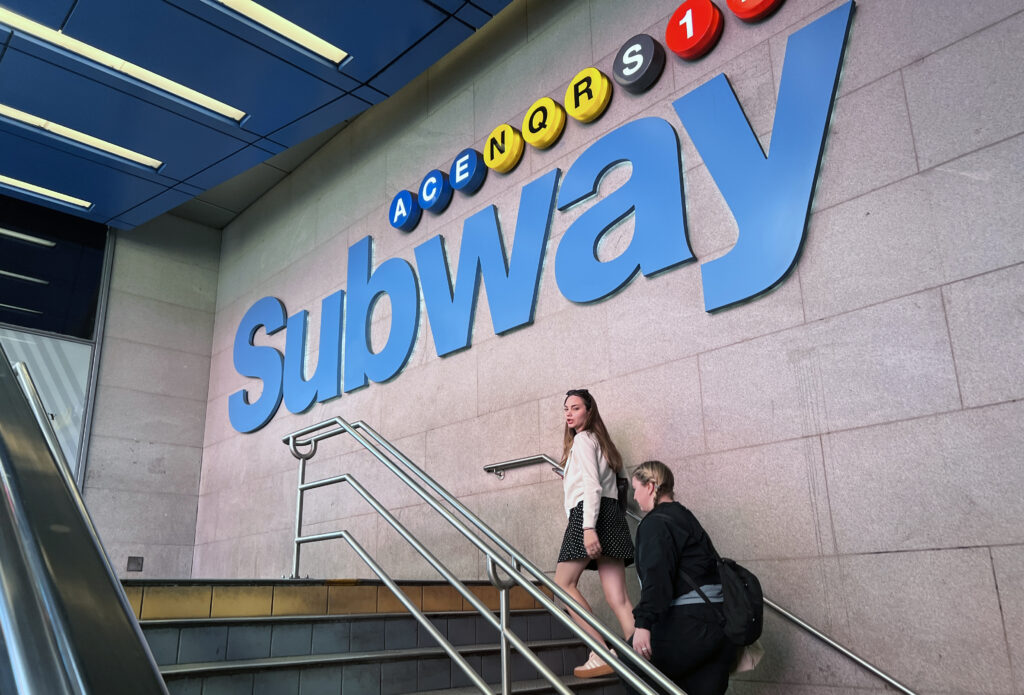
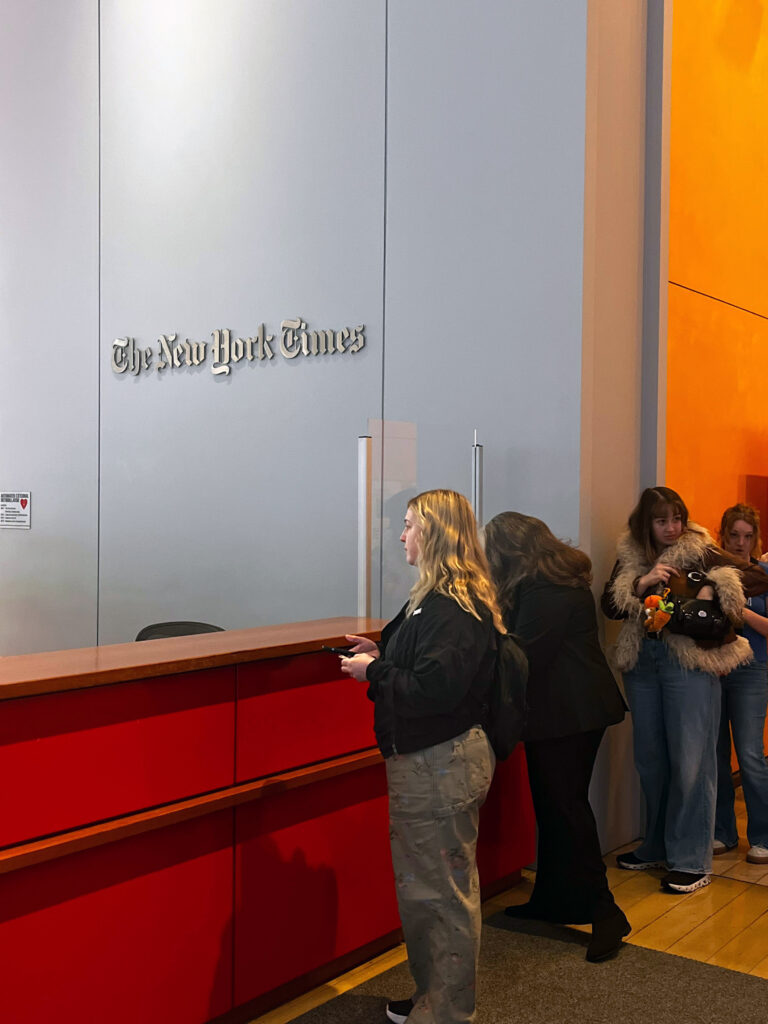
Over several days, the group—three sophomores, five juniors, and three seniors—toured organizations including The New York Times, Cooper Hewitt Smithsonian Design Museum, Lublin Design Center, 2×4, Collins, Pentagram, Red Antler, and Squarespace. The itinerary moved quickly: visits to The New York Times and Cooper Hewitt kicked things off, followed by a full day of studio tours in Brooklyn at Lublin Design Center, 2×4, and Collins. Students then met with members of the Pentagram team, including designers affiliated with the Italian designer Giorgia Lupi’s group, and later toured Barbarian, where Ringling alum Nancy Nyström ’15, Graphic and Interactive Communications, shared insights into her professional journey. The final day wrapped up at Red Antler and Squarespace, where alum Nicole Gavrilles ’12, Fine Arts, led a tour and lecture. Between visits, students had time to explore the city independently and shared a group dinner at John’s Pizzeria.
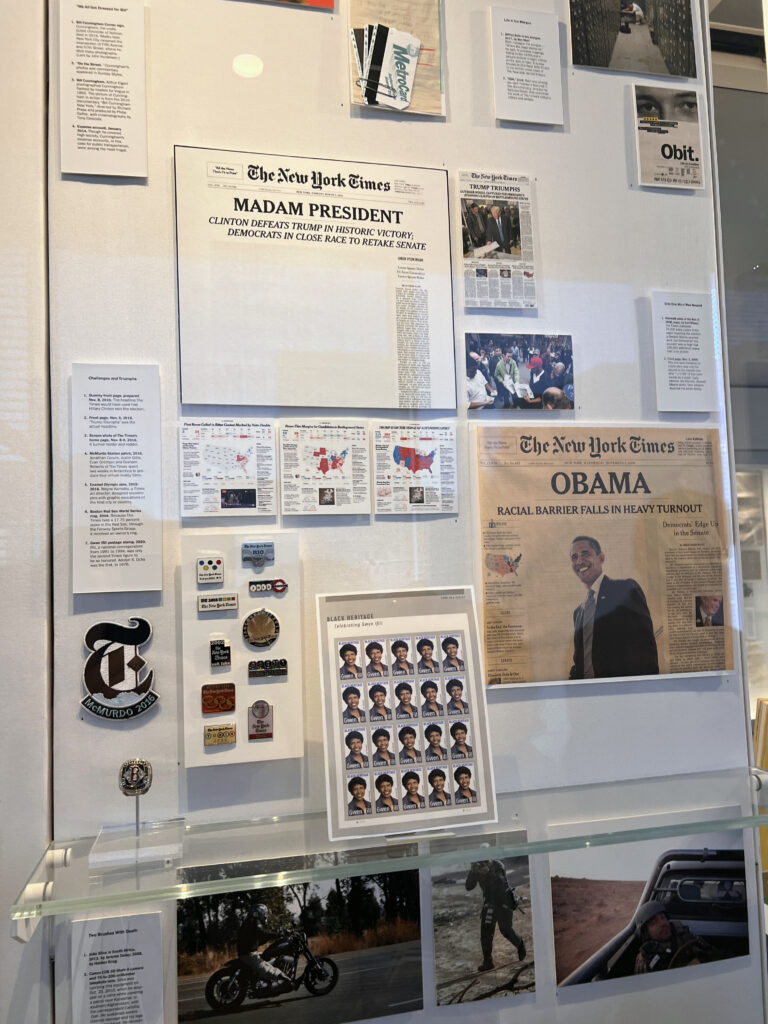
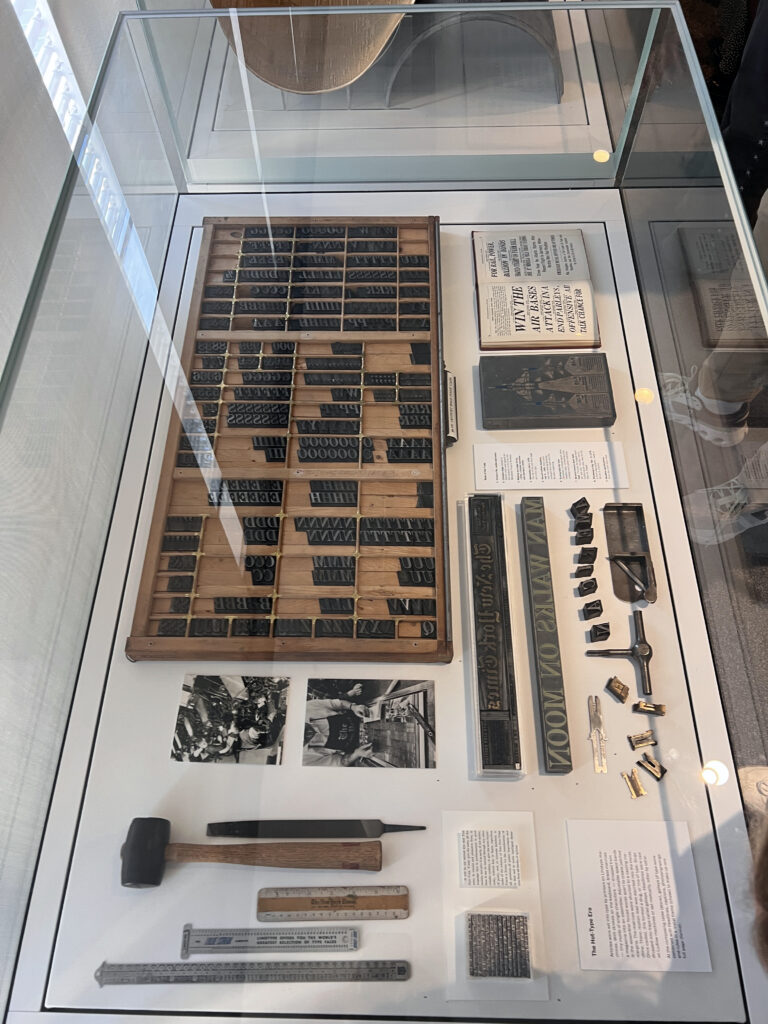
One of the biggest takeaways was that while many studios appear to do similar work, they are fundamentally different in their approach. Each had its own area of focus—branding, digital experiences, strategy—and its own way of solving problems. Some emphasized research and data-driven design; others leaned into conceptual thinking or visual experimentation. As one designer put it during a visit, “There isn’t one path to a solution. What matters is how you think your way there.”
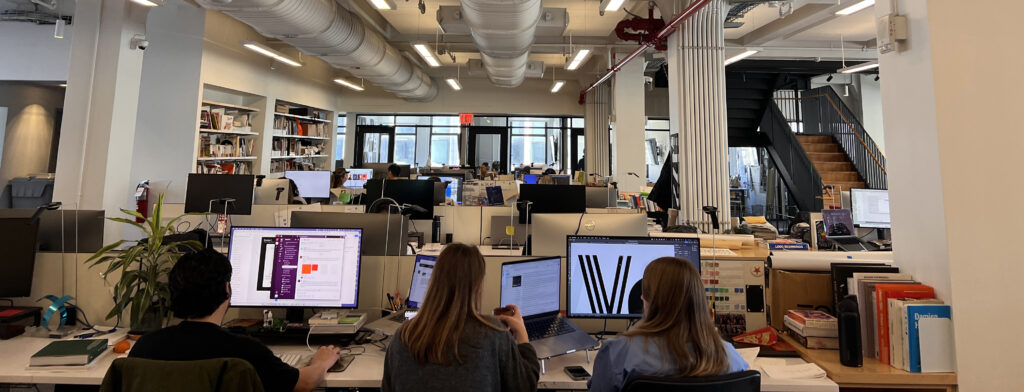
Work culture proved equally defining. Some studios ran on constant collaboration, with teams continuously building on each other’s ideas. Others allowed for independent exploration before converging. The atmosphere, team dynamics, and even the physical spaces all contributed to each studio’s creative identity, a reminder that culture isn’t just a backdrop, it’s a driving force.
Perhaps the most reassuring realization was how closely professional practice mirrors what students are already learning at Ringling College. Research-driven design, concept development, and critique came up repeatedly across studios. The transition from school to industry may feel like a leap, but this trip showed the foundation is already being built in the classroom.
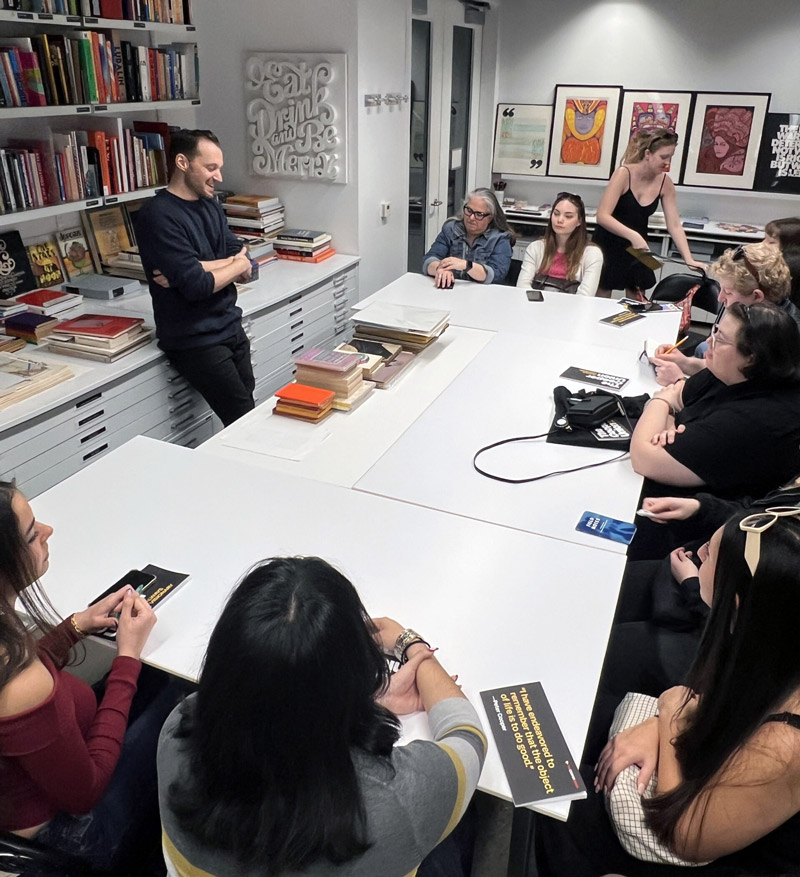
The professionals themselves reinforced this, with many sharing that their own paths weren’t linear, and that persistence, adaptability, and growth matter as much as technical skill. “Your work should show how you think, not just what you can make,” one speaker noted. For students preparing to enter the field, the message was clear: the skills are relevant, the path is achievable, and there is room to grow into an individual voice as a designer.
Sign up for our newsletter to get the latest Ringling College news in your inbox.
Contact:
Office of Marketing and Communications
communications@ringling.edu
941-309-4008