

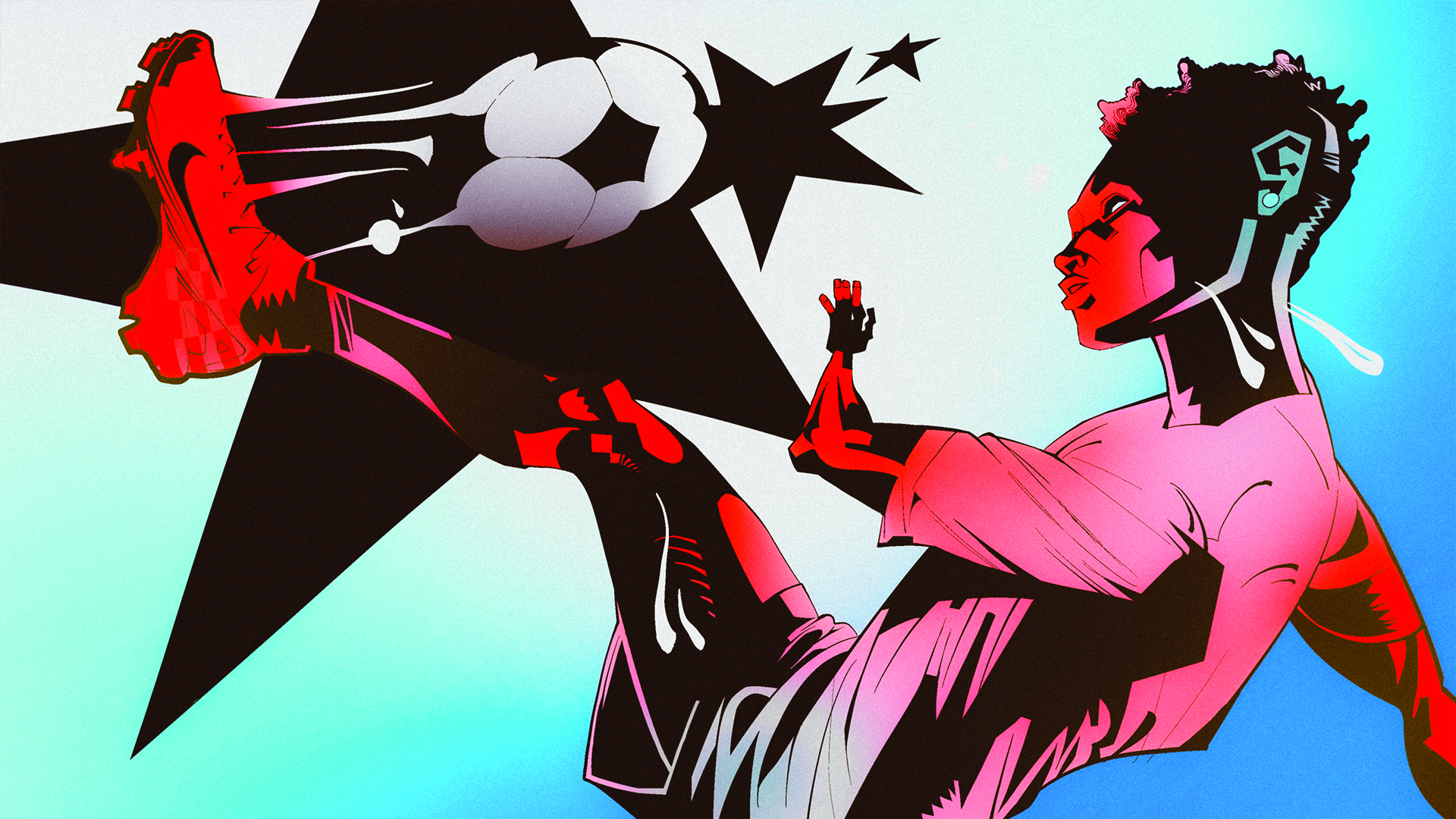
Motion designers blend animation, graphic design, illustration, film, visual effects, and sound to make images move and make people feel something. You may not know the term ‘Motion Design’ but you experience it all around you, every day. Their work is everywhere: on TV screens, at sporting events, on concert stages, in phone apps, in popular advertisements, and more. If you’ve felt a jolt of excitement when a team’s logo explodes onto your screen before kickoff, you’ve felt motion design at work.
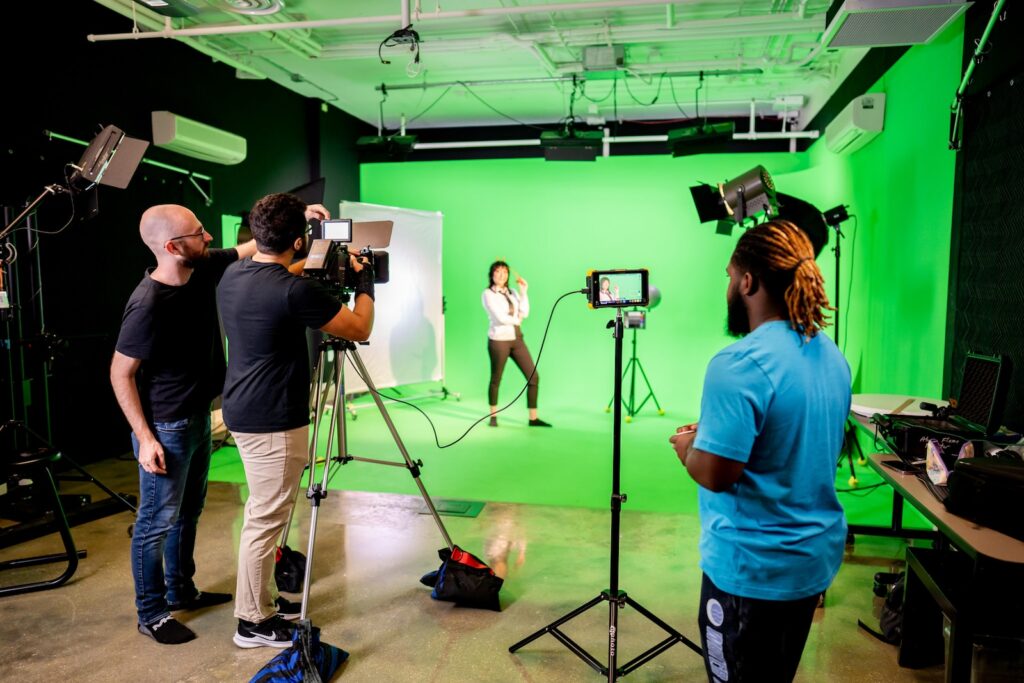
Interim Motion Design Department Head Morgan Williams explains, “Although most people have never heard of ‘Motion Design’, everyone has seen it. It’s around us all the time, in movie titles and sports graphics, concert visuals and music videos, and social media content, advertising, and marketing. It’s anywhere people need to communicate through the moving image.”
The motion design industry grew out of several traditions that converged over roughly a century. In the 1920s and 30s, experimental filmmakers like Oskar Fischinger and Len Lye made abstract films in which shapes and color moved to music, treating motion itself as a visual language. In the 1950s and 60s, Saul Bass transformed film title sequences into short works of storytelling in The Man with the Golden Arm, Vertigo, and Psycho, and animator John Whitney, who worked with Bass on the spiraling imagery of the Vertigo titles, founded Motion Graphics Inc. in 1960. The launch of MTV in 1981 created demand for energetic animated identities, and in 1993, Adobe After Effects put tools once reserved for expensive broadcast suites on personal computers. Kyle Cooper’s title sequence for Se7en (1995) then sparked a renewed appreciation for title design. Today, software like Cinema 4D, Octane, and Redshift, along with social media and app interfaces, has carried the field far beyond TV and film.
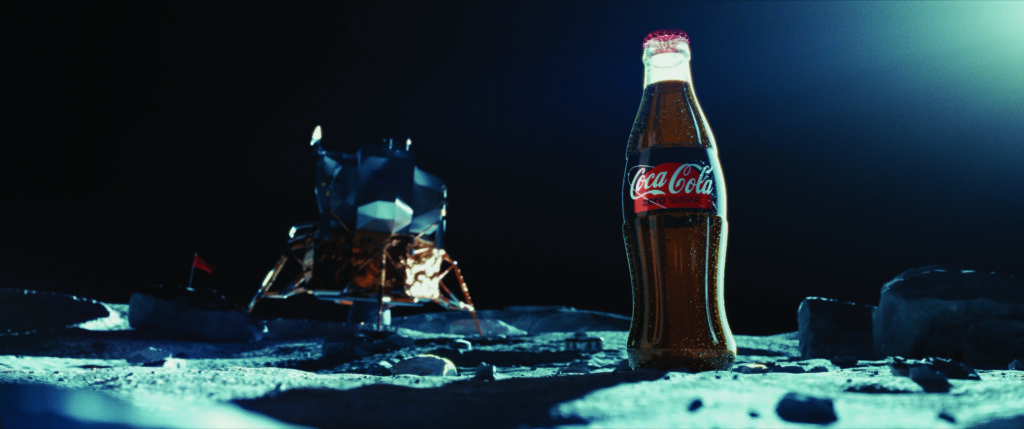
The field is broad. Motion designers today create movie title sequences, sports graphics, concert visuals, app animations, and ads and commercials. To do it, they draw on 2D and 3D animation skills, typography and graphic design, illustration, and visual effects.
Ringling College of Art and Design’s Motion Design students learn these skills in a studio environment and then put them to work in the industry.
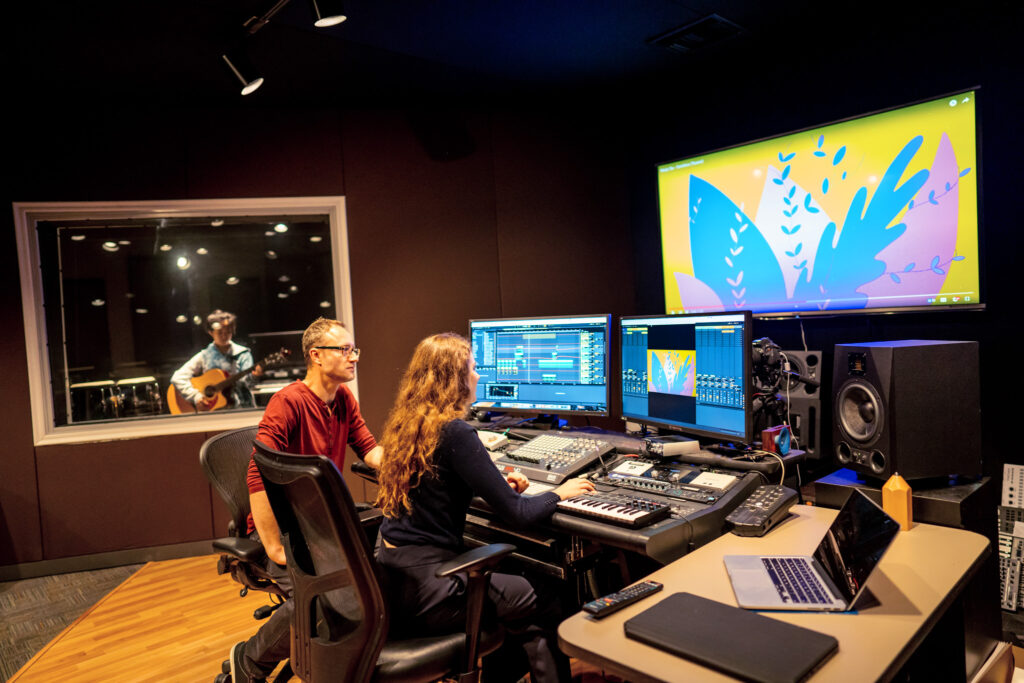
The Rookies, which ranks creative schools based on a panel of industry professionals evaluating student work, named Ringling College the #1 school in the world for Motion Graphics in its 2026 Global School Rankings, the third time the program has claimed the top spot. The program has ranked in the top two in the world for seven years.
Ringling College President Dr. Davis Schneiderman shared about that news, “We’re not surprised about Ringling College’s amazing performance in the rankings, but we are certainly proud: our outstanding faculty provide world-class training for our talented students. At Ringling, we turn passion into profession, and this recognition proves that once again.”
Several Ringling students and alumni have found opportunities in sports broadcasting and the arena, working with teams and leagues from the NFL to Madison Square Garden.
- Casper Chappell ’27 interned at Madison Square Garden on the team responsible for branding and graphics for the New York Knicks, the New York Rangers, and the Westchester Knicks.
- Jordan McBarnett ’23 landed a role with the Tampa Bay Buccaneers shortly after graduating, through a professional connection. That role soon led to another role: creating 3D assets for new visual designs for the Seattle Seahawks.
- Dacia Pruden ’25 spent her summer as a 3D Graphics Designer at the NFL in Inglewood, California, working in the broadcast department on 3D segments for a returning show’s new look.
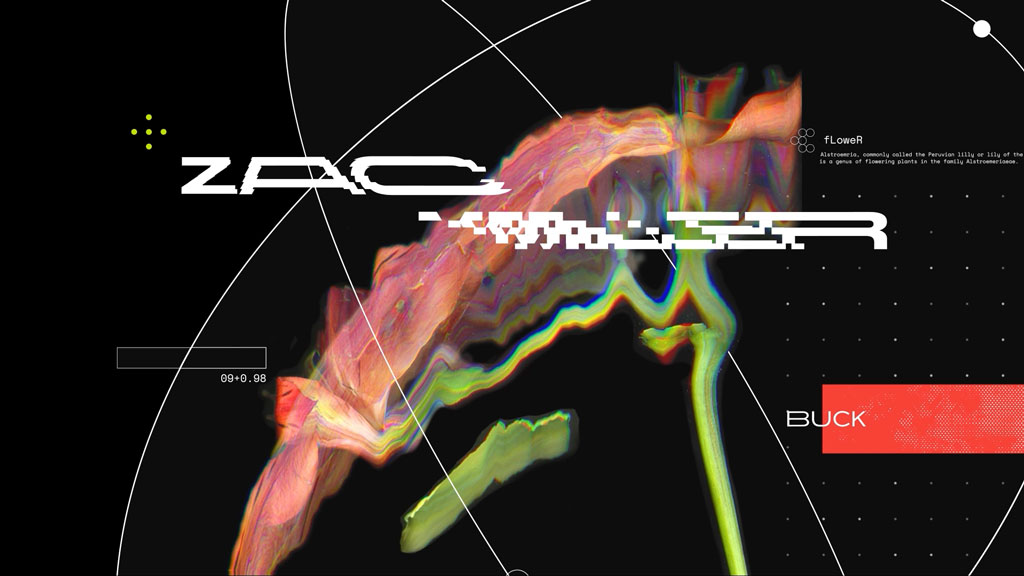
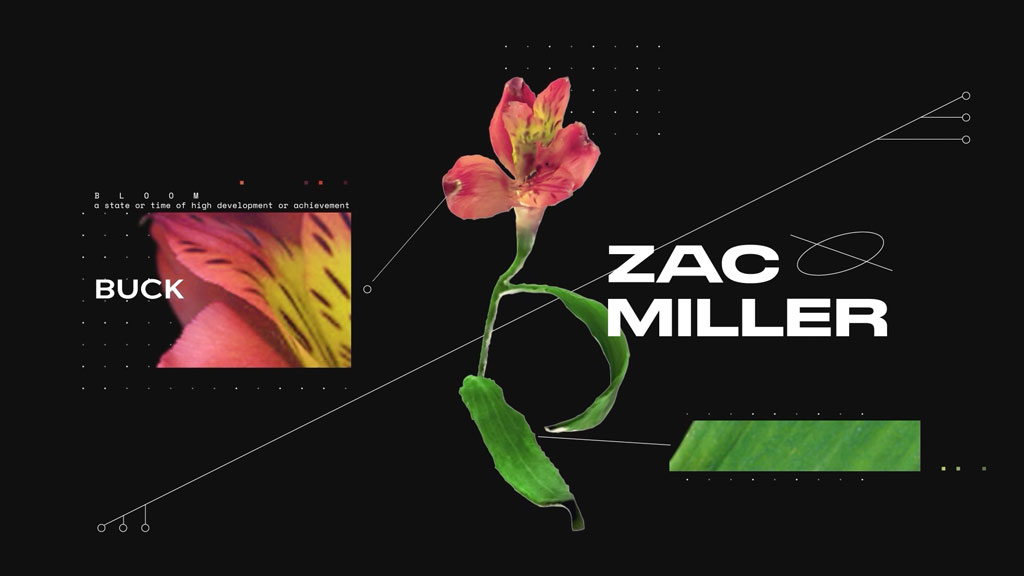
Many Ringling students and alumni have also found opportunities in entertainment and character animation, from Disney Live Entertainment in Orlando to studios like Giant Ant in Vancouver.
- Hannah Nguyen ’24 and Holly Reidy ’24 both interned with the Visual Media Production team at Disney Live Entertainment in Orlando.
- Lucia Alonso Eiras ’26 worked as a 2D Animation Apprentice at Giant Ant in Vancouver, B.C., doing motion design and character animation for clients like Duolingo.
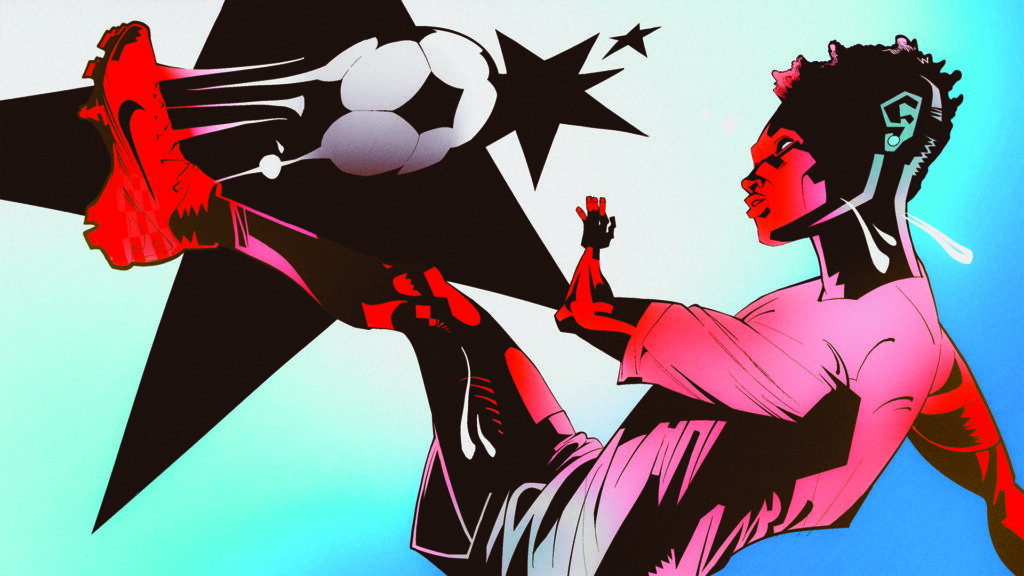
Motion design also thrives behind the scenes of brands you know, and our students have interned at agencies, ad firms, and corporate creative teams globally.
- YeonJoo Kim ’26 interned on the Media Art R&D team at the advertising company Hyundai INNOCEAN in Seoul, helping plan and mock up marketing for upcoming Paramount Pictures films and producing motion design videos for a billboard in the heart of Gangnam.
- Siona Kalambi ’26 worked as a Motion Graphics Intern with the in-house Media House team at Rocket Companies in Detroit, handling marketing for Rocket Mortgage. She took projects from design through animation, critique, and release, and shadowed producers, designers, and writers to see how a creative team works inside a corporate environment.
- Sofia Tea ’25 interned as a graphic designer at OUTFRONT Media in Fairfield, New Jersey, designing digital and printed ads for billboards and posters.
“Motion design is a $2 billion industry,” Williams shared. “It’s a great career option because you can work in so many different fields. About half of our last graduating class had jobs before they graduated.”
Ringling’s Motion Design program prepares students for work in the diverse field on day one of graduation. The faculty in our #1 in the world-ranked major are professional designers committed to propelling each cohort into the industry with a portfolio, a network, and the confidence to use them.